
Table of Contents
- What Is Spiritual Wellness?
- The Connection Between Meaning, Purpose and Spiritual Wellness
- Spiritual Wellness Practices for Daily Life
- Signs of Spiritual Imbalance
- Connecting with Your Intuition
- Spiritual Wellness Beyond Religion
- The Holistic Impact of Nurturing Your Spiritual Core
- Frequently Asked Questions
Last Updated: September 26, 2026
Spiritual Wellness: How to Nurture Your Inner Peace
What Is Spiritual Wellness?
Spiritual wellness is the practice of cultivating meaning, purpose, and connection in your life. It’s about aligning your daily actions with your deepest values and beliefs, whether those are rooted in faith, nature, philosophy, or personal conviction. At Twin Featherz, we understand that spiritual wellness goes beyond religion, it’s about creating a sense of wholeness and inner peace that sustains you through life’s challenges.
Spiritual wellness doesn’t require you to follow any particular doctrine or belief system. It’s deeply personal. For some, it flows from religious practice. For others, it emerges through time in nature, creative expression, or service to others. The common thread is intentionality: choosing to nourish the part of yourself that seeks meaning and connection.
Think of spiritual wellness as tending a garden. You wouldn’t plant seeds and walk away. You water regularly, remove weeds, and adjust based on the seasons. Your inner world works the same way.
The Connection Between Meaning, Purpose and Spiritual Wellness
Purpose and meaning are the soil where spiritual wellness grows. Without them, you may feel adrift, going through the motions without genuine direction. When you understand what truly matters to you, everything else becomes clearer.
Meaning answers the question: “Why does this matter?” Purpose answers: “What am I working toward?” Together, they create a framework for living that feels authentic rather than imposed.
This connection runs deeper than motivation. When you live with a strong sense of purpose, you may experience:
- Greater emotional resilience during difficult periods
- Clearer decision-making in uncertain situations
- Stronger sense of belonging and connection
- More sustainable energy for long-term goals
When you live aligned with your values and purpose, your nervous system settles. You’re not fighting yourself anymore. That alignment is spiritual wellness in action.
Spiritual Wellness Practices for Daily Life
The practices that nurture spiritual wellness are simple, but consistency matters. You don’t need elaborate rituals or hours of dedication. Small, intentional moments add up.
Mindfulness and Meditation
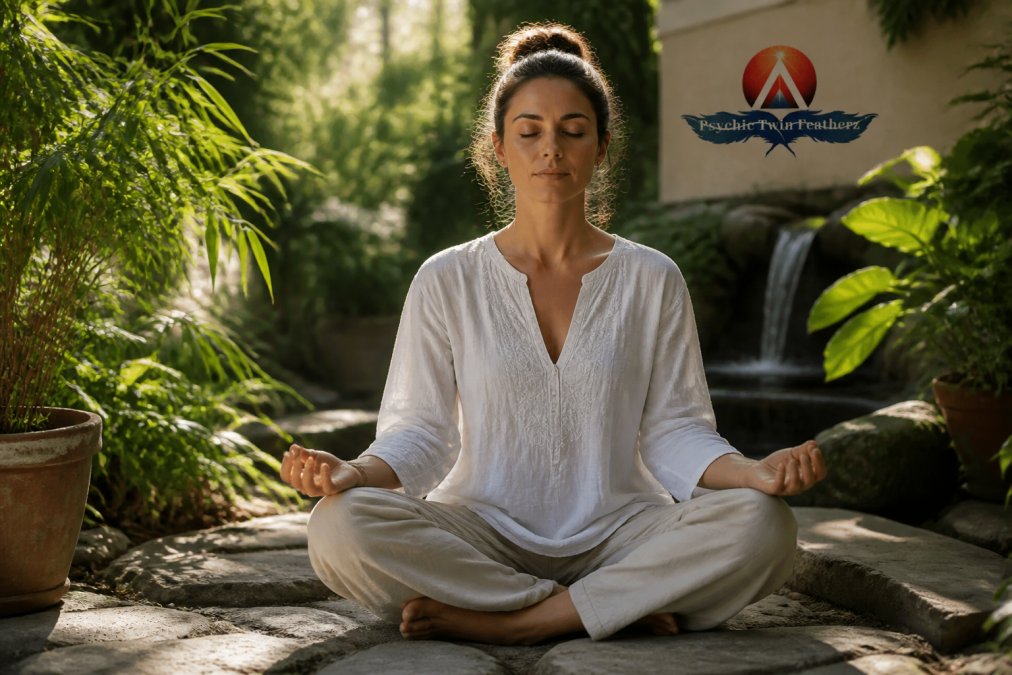
Mindfulness is the practice of bringing full attention to the present moment without judgment. Meditation is a structured way to train your mind in this skill.
Both practices quiet the constant mental chatter and create space for genuine awareness. When your mind settles, you often find clarity about what truly matters to you. Your intuition becomes easier to hear.
You can start small:
- Sit quietly for five minutes each morning
- Focus on your breath without trying to change it
- Notice thoughts as they arise, then let them pass
- Return your attention to your breath each time your mind wanders
That’s meditation. No special equipment or experience needed. Many people find that even three minutes of this practice shifts their entire day.
Breathwork and Centring
Your breath is a bridge between your body and mind. When you’re stressed, your breathing becomes shallow and rapid. When you’re calm, it’s slow and deep.
Breathwork reverses this pattern. By deliberately slowing and deepening your breath, you signal to your nervous system that you’re safe. Your body follows.
A simple centring practice:
- Breathe in slowly through your nose for a count of four
- Hold for a count of four
- Exhale through your mouth for a count of four
- Pause for a count of four
- Repeat five to ten times
This takes about three minutes. Many people use it before important conversations, decisions, or whenever they feel scattered. It’s a quick way to return to yourself.
Connecting with Nature
Nature has a way of reminding you of something larger than your daily concerns. Trees, water, sky, and seasons all carry their own rhythm and wisdom.
Time in nature isn’t luxury, it’s maintenance for your spiritual wellness. Even fifteen minutes can reset your nervous system and reconnect you to what matters.
Consider:
- A walk without your phone
- Sitting under a tree and observing
- Watching water (ocean, river, or rain)
- Noticing seasonal changes
- Tending a garden or plants
Nature doesn’t ask anything of you. It simply invites presence. That’s its gift.
Living Intentionally
Intention means choosing how you spend your time and energy rather than defaulting to habit or obligation.
Intentional living might look like:
- Starting your day by naming one thing that matters to you
- Saying no to commitments that drain rather than nourish you
- Choosing how you speak to yourself and others
- Creating rituals that honour what’s important (a meal shared with care, a walk at sunset)
- Making decisions aligned with your values, even when it’s harder
Intention transforms ordinary moments into spiritual practice. Washing dishes becomes meditation. Listening to someone becomes service. Eating becomes gratitude.
Signs of Spiritual Imbalance
When your spiritual wellness is neglected, you’ll notice. The signs are often subtle at first, then harder to ignore.
Common indicators include:
- Feeling disconnected from your purpose or what once mattered
- Persistent sense of emptiness despite external success
- Difficulty making decisions or feeling uncertain about direction
- Lack of joy or meaning in activities that should feel fulfilling
- Sense of isolation or not belonging anywhere
- Chronic stress or anxiety that doesn’t ease with rest
- Going through routines without genuine engagement
- Feeling like something is missing, but struggling to name it
Spiritual imbalance doesn’t mean something is wrong with you. It means you need to pause and reconnect. These signs are invitations to tend to yourself differently.
Connecting with Your Intuition
Your intuition is your inner guidance system. It speaks in feelings, hunches, images, and knowing, not always in words. Spiritual wellness includes learning to trust and listen to this inner voice.
Intuition is different from overthinking. Overthinking is loud and circular. Intuition is often quiet and clear. It doesn’t argue with you; it simply knows.
To strengthen your intuitive connection:
- Notice what you feel in your body when you’re near certain people or situations
- Pay attention to your first instinct before your mind starts reasoning
- Keep a journal of hunches that prove accurate
- Distinguish between fear (which contracts) and intuition (which often feels calm and certain)
- Practice trusting small intuitive nudges in daily life
- Spend time in stillness where intuitive impressions can emerge
Your intuition is always available. Most of us just learn to override it. Spiritual wellness includes relearning to listen.
Spiritual Wellness Beyond Religion
Spiritual wellness and religious faith are not the same, though they can overlap. You can be deeply spiritual without following any religion, and you can practice a faith without prioritising spiritual wellness.
Secular spirituality focuses on:
- Connection to something larger than yourself (nature, humanity, the universe, consciousness itself)
- Living according to your deepest values
- Cultivating inner peace and meaning
- Serving others and contributing beyond yourself
- Exploring questions of purpose and existence
This might include meditation, time in nature, creative expression, philosophical inquiry, or acts of kindness. It’s about the intention and awareness you bring, not the specific practice or belief.
Religious spirituality adds a framework of doctrine, community, and tradition. Both paths are valid. What matters is that your approach feels authentic to you.
The Holistic Impact of Nurturing Your Spiritual Core
When you prioritise your spiritual wellness, the effects ripple through every part of your life. You don’t just feel better internally, you show up differently in relationships, work, and challenges.
When you nurture your spiritual wellness, you may find:
- Greater emotional resilience and ability to navigate difficulty
- Clearer sense of what matters, making decisions easier
- Deeper, more genuine connections with others
- More sustainable energy and motivation
- Reduced anxiety and sense of groundedness
- Increased creativity and problem-solving ability
- Stronger sense of belonging and purpose
These aren’t side effects. They’re natural outcomes of living aligned with your values and meaning.
Spiritual wellness is not separate from your physical or emotional health. It’s woven through everything. When your spiritual core is tended, your whole system benefits.
Spiritual wellness is an ongoing practice, not a destination. Some days will feel more connected than others. That’s normal. What matters is returning to the practices that ground you, again and again.
If you’re feeling lost or disconnected from your sense of purpose, or if you want deeper clarity about your path forward, a psychic reading can help illuminate what’s calling to you. Twin Featherz offers psychic readings via Zoom, phone, WhatsApp, and in person to help you gain soul-level clarity and reconnect with your inner guidance.
Frequently Asked Questions
What is spiritual wellness in simple terms?
Spiritual wellness is about finding meaning, purpose and connection in your life. It’s not tied to religion, it’s about understanding what matters to you, living in alignment with your values, and feeling a sense of connection to something greater than yourself. This might be nature, humanity, your own inner wisdom, or a spiritual practice that resonates with you. When you nurture spiritual wellness, you create a foundation for inner peace and emotional resilience.
How can you improve spiritual wellness through daily practices?
Start with simple practices: spend time in nature, practise mindfulness or meditation even for five minutes daily, and reflect on what brings you meaning. Breathwork, slow, intentional breathing, helps centre your mind and body. Notice moments of gratitude throughout your day. Engage in activities aligned with your values, whether that’s volunteering, creative expression, or time with loved ones. Consistency matters more than intensity; small daily practices build lasting spiritual wellness.
What are signs of spiritual imbalance?
Spiritual imbalance often shows up as feeling disconnected, purposeless or emotionally drained. You might experience constant stress without relief, difficulty finding joy, or a sense that life lacks meaning. Some people describe it as feeling ‘stuck’ or unable to connect with their intuition. You may also notice resistance to practices that once felt nourishing, or a growing sense of burnout even when external circumstances seem fine. These signs suggest your spiritual core needs attention and rejuvenation.
How does spiritual wellness differ from religion?
Spiritual wellness is a personal practice of connecting with meaning and purpose; religion is a structured belief system with specific teachings and community. You can nurture spiritual wellness through religion, or entirely outside of it. Some people find their spiritual practice through faith, others through nature, creativity, self-reflection or intuitive connection. The key difference is that spiritual wellness is about your individual inner world and what brings you peace and clarity, regardless of religious framework.